Wedding Planning Guide: Plan in the Right Order
Table of Contents
A wedding planning guide works best when it turns a long to-do list into a clear sequence. This hub collects 60 practical reads on timelines, rings, venues, dresses, invitations, catering, music and guest experience. Start with the planning essentials, then open the section that matches your next decision. Every link leads to a full guide you can use today, whether you are twelve months out or already confirming final counts.
How to use this wedding planning guide
Read the section that solves this week’s decision instead of opening every tab at once. The planning essentials cover budgets, checklists and common mistakes. The design sections cover rings, dresses and stationery. The logistics sections cover venues, food, music and guest experience. If you only have one hour, start with the checklist, the mistake list and the reception timeline, then return for the details.
Each guide states who it is for, what to decide and how to stay on budget. Use them as working documents: print the checklist, copy the timeline, and share the vendor handoff list with your planner. The sequence below keeps dependencies in the right order so you do not book a vendor before you know the guest count or choose a dress before you know the venue.
Start with the planning essentials
This wedding planning guide starts with the budget, timeline and decision rules that every other choice depends on.
- The Ultimate Wedding Planning Checklist: Stress-Free Prep — a stress-free prep checklist you can follow week by week
- Wedding Planning Mistakes to Avoid at All Costs — the costly mistakes that show up again and again
- Unique Wedding Party: Ideas That Actually Work — wedding party roles and realistic ways to include more people
- Fresh Modern Wedding Ideas for a Stylish Day — fresh ideas that still respect the budget
- Exclusive Wedding Planning: 7 Privacy Secrets That Work — privacy and exclusivity for intimate celebrations
- Wedding Surprises: 7 Ideas That Leave Guests Speechless — surprises that land well instead of disrupting the schedule
Reception timeline and format
The reception chapter of this wedding planning guide covers the format, the timeline and how long guests stay.
- Wedding Reception Timeline: From Entrance to Send-Off — a five-hour run of show from entrance to send-off
- Wedding Reception Timeline Template: 3 Shapes Compared — three timeline shapes you can copy and share with vendors
- Reception Style: 7 Wedding Formats That Fit Any Venue — plated, buffet and cocktail formats compared
Wedding rings and bands
Ring shopping is easier when this wedding planning guide compares metal, fit, setting and service side by side.

- When Wedding Jewellery Needs More Than a Polish: A Guide to Repair, Restoration and Long-Term Care — repair, restoration and long-term care for inherited pieces
- Unique Women’s Wedding Band Styles: 7 Picks for Her — women’s band styles beyond plain gold
- Krikawa Designs: Bespoke Mokume Ring Review — a bespoke mokume ring review with commissioning notes
- Your Beautiful Wedding Ring: Expert Buying Guide — a buying guide for your first wedding ring
- Ultimate Guide to Choosing Your Diamond Wedding Rings — diamond rings compared by cut, setting and value
- Unisex Wedding Rings: Your Definitive Guide to Inclusive Style — unisex and inclusive ring styles
- Ultimate Guide: Choosing Perfect Wedding Ring Sets — ring sets matched to stack and lifestyle
- Personalized Perfection: Custom Engraved Wedding Bands — engraving options and personalization limits
- Timeless Symbol of Commitment: Platinum Wedding Ring — platinum compared with gold and white gold
Wedding dresses and bridal style
Use this wedding planning guide to narrow silhouette, fabric and shopping method before you book appointments.
- Breathtaking Sleek Elegant Wedding Gowns That Define Modern Romance — sleek gowns for modern celebrations
- The Ultimate Guide to Gorgeous Modern Bride Dresses Every Bride Will Love — modern bride dresses with a clear shopping path
- The Ultimate Wedding Gown Bride Guide to Radiant Elegance and Style — gown silhouettes explained without the jargon
- The Ultimate Bridal Boutique Guide to Finding Your Perfect Dream Dress — how to choose a bridal boutique
- Princess Ball Gown Fairytale Romance Wedding Dress — ball gowns for fairytale settings
- Vintage-Inspired Classic Romance Wedding Dress — vintage-inspired dresses and styling
- Boho Chic Wedding Dress: Free-Spirited Glamour — boho dresses for relaxed venues
- Transform Your Look with Expert Wedding Hair Styling — hair and styling planning for the wedding day
Beach and destination weddings
Destination planning in this wedding planning guide starts with season, permits, travel time and a realistic backup plan.
- Tying the Knot by the Waves: Beach Wedding Planning Guide — a complete beach wedding planning guide
- Sandy Say I Do’s: Tips for Planning Your Wedding Beach Ceremony — ceremony tips for sand, wind and tides
- Pure Bliss: Essential Tips Every Beach Wedding Bride Needs for a Dream Day — essential advice for a beach bride
- Seaside Serenity: Dreamy Wedding Beach Destinations — seaside destinations compared
- Ultimate Romance: Florida Beach Weddings That Inspire Heartfelt Celebration — Florida beach weddings and venue types
- Radiant Love: The Most Inspiring Bali Beach Weddings You Can Imagine — Bali beach weddings and logistics
Venues and outdoor celebrations
Venue choice locks the date, the guest count and most of the budget, so this wedding planning guide treats it as a gate.
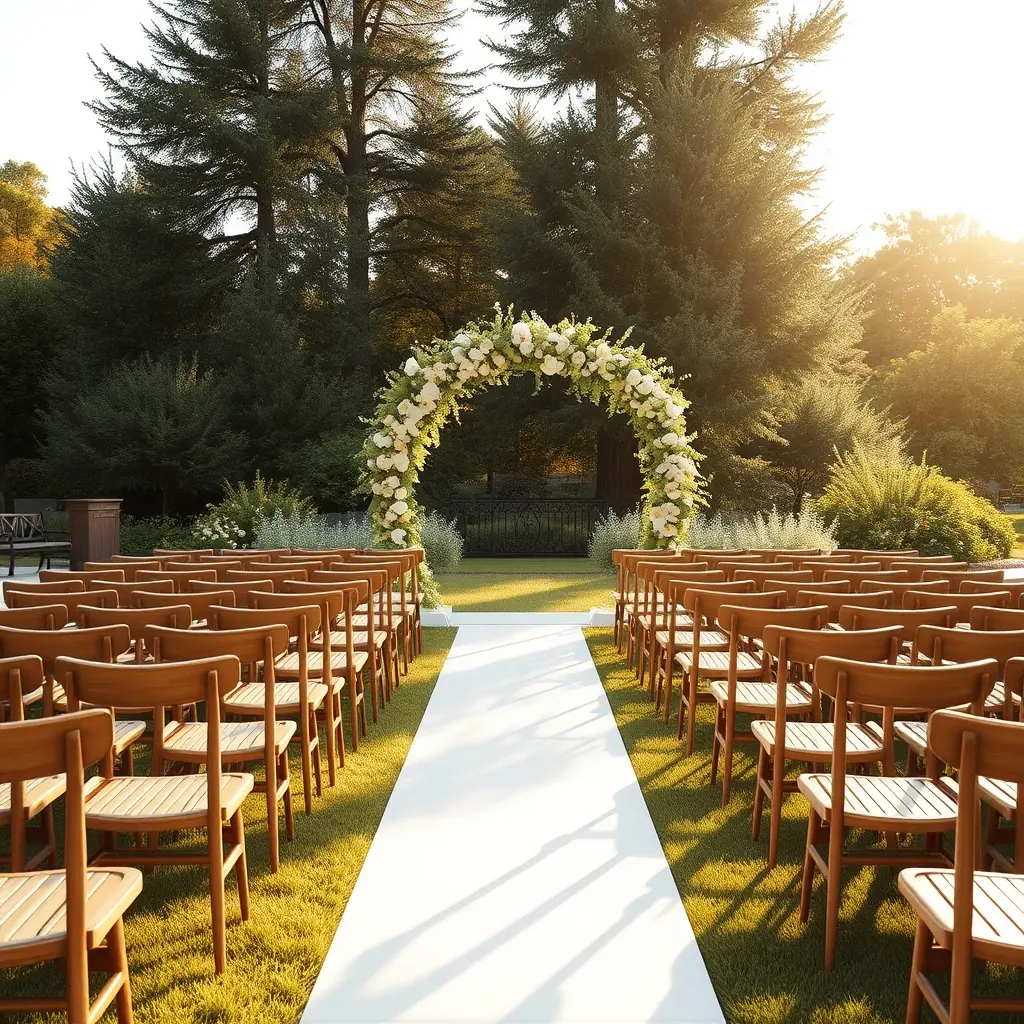
- Unique Wedding Venues: 10 Ideas That Wow Guests — ten venue ideas that still feel personal
- Unforgettable Moments: Plan a Breathtaking Outdoor Wedding with Villa Paraiso — an outdoor villa wedding with a realistic plan
- Unforgettable Bliss: Why an Intimate Wedding Package at a Wedding Bobocabin Creates Pure Magic — intimate wedding packages and what they include
Invitations, stationery and vows
Set the tone early with clear wording, accurate RSVP details and keepsake pieces, all covered in this wedding planning guide.
- RSVP in Style: Trendy Wedding Invitations to Impress — invitation trends and wording that gets replies
- Unveiling Elegance: Stylish Wedding Invitations You’ll Love — stylish invitation suites and print methods
- The Meaning and Significance of Wedding Vow Books in Modern Ceremonies — vow books and how couples use them
Catering and wedding cake
Food and cake decisions depend on service style, guest count and dietary needs, and this wedding planning guide keeps them tied to the budget. Caterers work from published service standards such as those from NACE, the National Association for Catering and Events, so ask for service times and staffing in writing.
- Savor Every Bite: Custom Wedding Cake for Unforgettable Moments — custom cake planning and serving sizes
- Sweet Celebration: Romantic Wedding Cake for Your Love Story — romantic cake styles and flavors
- Sweet Memories: Top Picks for Wedding Anniversary Cakes — anniversary cakes worth repeating
- Forever Together: Delectable Wedding Anniversary Cake Recipes — cake recipes for smaller celebrations
Music and entertainment
Music controls energy, transitions and how long guests stay on the floor, so this wedding planning guide books it early.
- Enchant Your Wedding Day with the Melodic Grace of a Wedding Violinist — a violinist for ceremony and cocktail hour
- Your Love Story in Song: Personalizing Your Wedding Music Selection — how to personalize your music selection
- Love in Harmony: How Wedding Music Can Elevate Your Big Day — how music changes the mood of the day
- Transform Your Big Day with the Magic of Talented Wedding Musicians — live musicians compared with a DJ
Gifts, favors and guest experience
Small guest touches work when they are useful, portable and planned early; this wedding planning guide keeps them optional.
- Unique Wedding Gifts: 16 Ideas Beyond the Registry — gift ideas beyond the registry
- Gift of Love: Creative Wedding Anniversary Present Suggestions — anniversary presents with a personal angle
Browse every wedding category
If you prefer to browse by topic, start with the category that matches your current task. Each archive collects the newest guides first, so you can scan headlines before opening a full article. This wedding planning guide links every archive below.
- Wedding Bands — 257 guides
- Wedding Veils — 253 guides
- Wedding Favors — 249 guides
- Bridal Veils — 248 guides
- Wedding Colours — 241 guides
- American Wedding — 214 guides
- Wedding Fashion — 167 guides
- Wedding Invitations — 147 guides
- Wedding Etiquette — 146 guides
- Wedding Catering — 134 guides
- Wedding Venues — 118 guides
- Wedding Music — 90 guides
A simple 90-day planning sequence
Twelve to nine weeks out, confirm the budget, guest count and venue contract. Lock the caterer, photographer and music before popular dates disappear. Nine to six weeks out, order invitations, book fittings and finalize the ceremony script. Six to three weeks out, send the timeline to vendors, confirm final counts and print seating cards. In the last three weeks, build the emergency kit, hand off the run sheet and stop adding new projects. This order prevents the most common rework: changing the guest count after deposits, or choosing a dress that fights the venue.
The planning order that prevents rework
Most wedding planning problems come from deciding things out of order. Use this wedding planning guide as a dependency map: each row has to be settled before the next one can be quoted accurately.
| Decision | What it locks | Settle it before |
|---|---|---|
| Budget range and guest count | Venue tier, catering style, rental volume | Any venue tour or vendor call |
| Season and date range | Vendor availability, travel costs, weather backup | Paying any deposit |
| Venue and room capacity | Floor plan, stage, dance floor, ceremony backup | Booking catering and rentals |
| Guest list with tiers | Invitation count, seating, meal choices, favors | Printing stationery |
| Ceremony style and officiant | Vow format, readings, processional order | Finalizing the day-of schedule |
| Vendor contracts | Load-in times, overtime rules, insurance, meals | Signing anything |
When two decisions conflict, the earlier row wins. A guest count that grows after the venue is booked forces a new floor plan, a new catering quote and often a new rental order, which is the most expensive kind of rework in this wedding planning guide.
If you only have one week
Some couples inherit a wedding with a date already set. Work in this order and skip everything that does not change the guest experience. Day one: confirm the venue contract, curfew and room flip time. Day two: lock the caterer and the final count deadline. Day three: book the photographer and confirm portrait windows. Day four: send the one-page wedding planning guide timeline to every vendor. Day five: confirm attire, rings and the person holding the payment envelope. Day six: build the seating plan from RSVPs, not from hopes. Day seven: stop adding projects and print the run sheet.
How this guide is maintained
Every article linked from this wedding planning guide is reviewed against the same checklist: a direct answer in the opening lines, a decision framework rather than a list of adjectives, a vendor handoff or budget step the reader can act on, and internal links to the next decision. Guides are re-read on a rolling schedule, and venue-dependent advice is flagged where local rules differ.
Corrections are logged rather than quietly edited. If a price range, permit rule or vendor standard changes, the page is updated and the revision date moves with it, which is why the sequence here stays usable across markets in the United States and Europe.
Wedding Budget Allocation Table
| Category | Planning range | What to lock first |
|---|---|---|
| Venue and catering | 40-50% | Date, guest count, inclusions and overtime rules |
| Photography and video | 10-12% | Coverage hours, second shooter, delivery date |
| Attire and beauty | 8-10% | Alteration timeline and trial date |
| Flowers and decor | 8-10% | Setup window and breakdown responsibility |
| Music and entertainment | 8-10% | Power, noise limits and playlist approval |
| Stationery, transport and favors | 5-8% | Final guest count and pickup times |
| Contingency buffer | 5-10% | Hold until the final vendor payment |
These percentages are a planning framework, not a market quote; real prices vary by city, season and guest count. Set the total first, reserve the buffer, then negotiate each category against a written list of inclusions. A vendor who will not itemize is a risk, however attractive the headline price looks.
90-Day Wedding Timeline Table
| Window | Decision | Output |
|---|---|---|
| 90-75 days | Guest count, venue hold, budget lock | Signed venue contract and deposit receipt |
| 74-60 days | Attire, photographer, catering tasting | Booked vendors and tasting notes |
| 59-45 days | Invitations, rings, transport | Mailed invitations and ring sizing confirmed |
| 44-30 days | Menu final, seating draft, permits | Approved menu and permit applications filed |
| 29-14 days | Vendor confirmations and payments | Updated run sheet and payment schedule |
| 13-7 days | Final numbers, weather backup, packing | Confirmed counts and emergency plan |
| 6-1 days | Rehearsal and handoff | Named day-of contact for every vendor |
Work backward from the ceremony time. Anything that requires a vendor contract should be booked before the 45-day mark, and anything that depends on the final headcount should wait until RSVPs close. The timeline is a decision tool, not a countdown to stress.
Last reviewed: 7 November 2026 by the WeddingAgain editorial team.
Final checks before you book anything
Ask every vendor what is included in writing, what triggers overtime, and who is the day-of contact. Confirm insurance, permits and weather backup for outdoor plans. Keep one shared document with contracts, payment dates and the final timeline. If a decision does not change the guest experience, delay it. A calm plan with fewer moving parts usually reads better in photos and feels better on the day than a packed schedule with no buffer.
For sourcing standards and corrections, see our editorial policy and about page. Both explain how guides are researched, updated and reviewed.
How do I start planning a wedding?
Start with a realistic budget, a draft guest list and a date range. Those three inputs determine the venue, catering style and vendor shortlist. Build a checklist, then book the venue before the smaller details so every later decision has a fixed container.
What should I book first?
Book the venue first, then the caterer, photographer and music. Availability drives the date more than any other vendor. Confirm what each contract includes, including setup time, overtime and weather backup, before you pay a deposit.
How far in advance should I plan?
Most couples need nine to twelve months for a full wedding and three to six months for a smaller event. Peak-season venues can require twelve months or more. Start with the budget and guest count, then work backward from the date you want.
Related guides
- Wedding budget guide: allocate every dollar
- Wedding guest list guide: build, trim and confirm
- Ultimate wedding planning checklist

Bellinda Taylor is a senior wedding editor at Best Wedding covering reception design, jewelry, and guest experience. 7+ years, 150+ guides. Method: vendor contracts, trend forecasts, and logistics data. Author of 2,263 wedding guides since 2022.