Wedding Reception Timeline: From Entrance to Send-Off
Table of Contents
A wedding reception timeline runs about five hours from grand entrance to send-off, and every block on it decides how the next one starts. Cocktails, dinner, toasts, the first dance, cake and open dancing each need a fixed slot plus a buffer, and the finished run of show goes to the DJ, caterer and photographer before the day. The sample below assumes a 5:00 p.m. ceremony, a 6:00 p.m. reception start and an 11:00 p.m. close; shift every time by the same number of minutes to match your venue window.
How long a wedding reception timeline should run
Most receptions land between four and six hours of guest time. Five hours is the working default because it fits the sequence venues expect: one hour of cocktails while the room flips, ninety minutes for dinner and toasts, then two and a half hours of dancing, cake and the send-off. Shorten the front end and dinner gets rushed. Stretch the back end and you pay overtime.
Build the wedding reception timeline backwards from two fixed points: the ceremony end time and the venue curfew. Everything between them is negotiable. A 5:00 p.m. ceremony that finishes at 5:30 p.m. gives you a 6:00 p.m. room reveal without hiring extra staff, while a 4:00 p.m. ceremony leaves a long gap that usually turns into an unplanned second cocktail hour.

Sample wedding reception timeline from cocktails to send-off
This wedding reception timeline is the shape most planners hand to vendors when the ceremony ends mid-afternoon. Times are start points, not durations.
| Time | Moment | What has to be true |
|---|---|---|
| 5:00 | Ceremony ends, guests move to cocktails | Room flip crew is already inside; sign and seating chart are placed |
| 5:00-6:00 | Cocktail hour and group photos | Passed drinks and two stationary stations cover the first twenty minutes |
| 6:00 | Grand entrance and welcome | DJ has the pronunciation notes; guests are seated before the announcement |
| 6:15 | Dinner service begins | Caterer knows the head table order and any allergy seats |
| 7:15 | Toasts | Speakers are seated near a microphone and capped at three minutes each |
| 7:45 | First dance and parent dances | Floor is clear, photographer has the angle, songs are trimmed to ninety seconds |
| 8:15 | Cake cutting and dessert | Cake is in the room, not the kitchen; venue lights are set for photos |
| 8:30 | Open dancing | Late-night snack timing is confirmed with catering |
| 10:45 | Last song and send-off line | Guests know where to stand; sparklers or bubbles are handed out early |
| 11:00 | Close and vendor load-out | Gift transport and final payment envelope are with a named person |
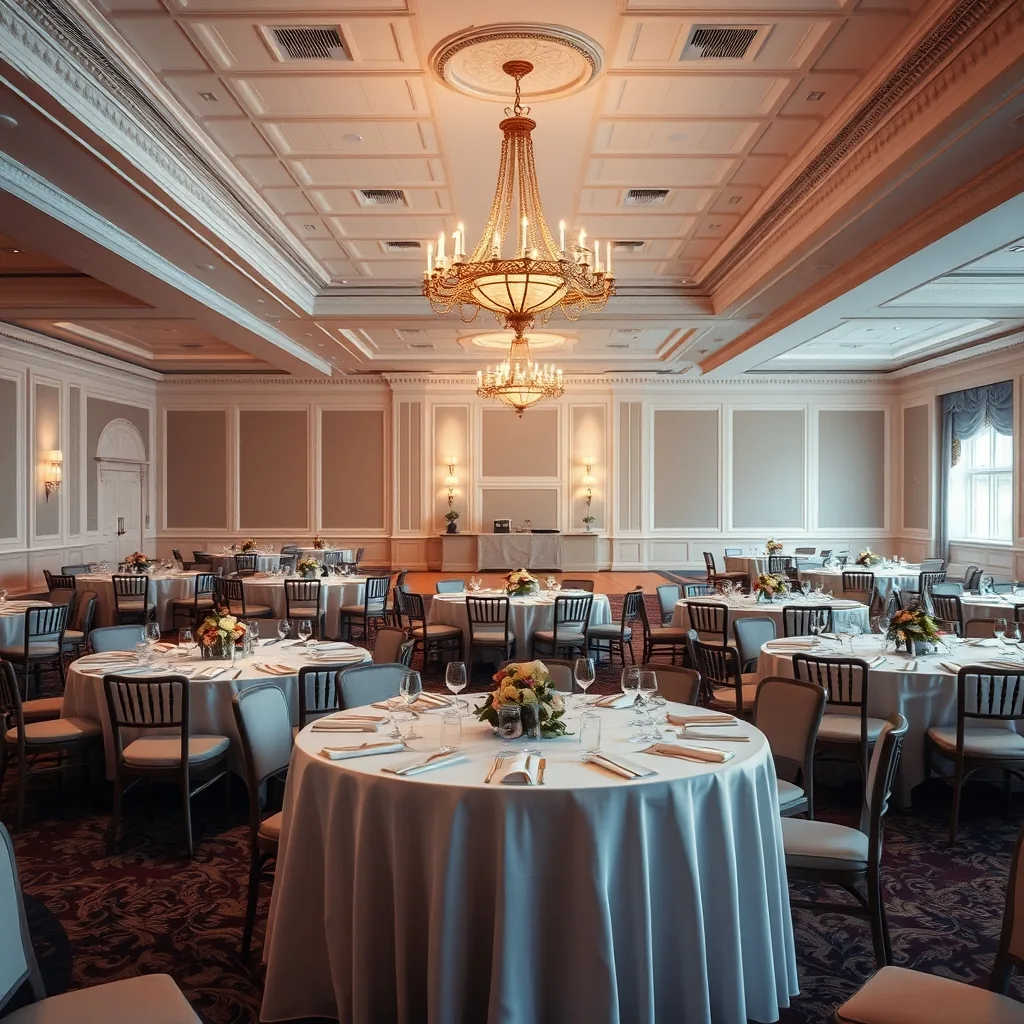
The reception style format you pick changes these times more than any other choice. A plated dinner needs a longer service window than a buffet, and a cocktail-style reception with no seated dinner can compress the whole evening into three hours.
Where a reception schedule usually loses time
Three blocks absorb almost every delay in a wedding reception timeline. The room flip after the ceremony is the first: if the venue needs forty minutes to reset chairs, the cocktail hour has to cover it, not the dinner service. Toasts are the second, because six speakers at four minutes each costs twenty-four minutes that nobody scheduled. Photos are the third, especially when the couple is pulled out during dancing for a second portrait session.
Fix all three in advance. Cap the toast list and give each speaker a time limit in writing. Ask the photographer which fifteen-minute windows they need and place them where the schedule already has slack. Confirm the venue flip time in the contract rather than by memory, then build the cocktail hour around the real number.
Four-hour and six-hour versions
Venue windows rarely match the five-hour default, so keep two backups in the same document.
| Shape | What changes | Best for |
|---|---|---|
| Four hours | Merge cocktails into the room reveal, cut to two toasts, serve dessert with dinner, start dancing thirty minutes earlier | Afternoon weddings, Sunday events, venues with a hard 10:00 p.m. close |
| Five hours | Standard sequence above; one buffer before toasts and one before the send-off | Most evening weddings with a seated dinner |
| Six hours | Add a second cocktail block or a live music set, extend dancing by forty-five minutes, move cake later | Full-weekend venues, destination weddings, older guest lists that arrive early |
Write the alternate wedding reception timeline shapes before you sign vendor contracts. Overtime is charged by the hour, and the venue, DJ, photographer and caterer usually bill it separately, so an extra forty-five minutes can cost four overtime fees at once.
What to send each vendor, and when
A wedding reception timeline that lives in one inbox is not a timeline. Send a one-page version, not a spreadsheet, and send it early enough that vendors can flag conflicts.
| Vendor | Send | What they need from it |
|---|---|---|
| Venue coordinator | Three weeks out, then final at five days | Room flip time, curfew, load-in door, vendor meal count |
| Caterer | Two weeks out | Service style, dinner start, toast slot, allergy seats, late-night snack |
| DJ or band | Two weeks out | Entrance order, names, dance order, last song, announcement boundaries |
| Photographer | Three weeks out | Portrait windows, cake and dance timing, send-off plan and light |
| Florist and rentals | Ten days out | Setup deadline, teardown window, who collects vases and stands |
Catering and event teams work from service standards published by trade bodies such as NACE, the National Association for Catering and Events, which is why they will ask for exact service times rather than a rough order of events.
Buffer slots and overtime charges
Put buffer in the wedding reception timeline where delay actually happens, not evenly across the evening. Ten minutes before toasts covers a slow dinner service. Fifteen minutes before the send-off covers a photographer who needs one more group shot. Do not pad the cocktail hour, because guests arrive on time and the space simply fills.
Ask three questions about overtime before signing: when does the clock start, is it billed per vendor or per hour, and does load-out count. Then decide who is authorized to approve overtime on the night. A coordinator or a named friend with a card is enough; a couple mid-dance is not.
Who owns the clock on the day
One person holds the wedding reception timeline, and it should not be the bride or groom. A planner, a venue coordinator or a designated friend carries the printed copy, texts vendors at each transition and makes the call when dinner runs long. Give that person authority in writing so a caterer does not have to interrupt the head table for a decision.
Keep the documents in three places: a printed copy in the vendor folder, a shared digital version, and a photo of the final version on the point person’s phone. If the schedule changes at 7:00 p.m., all three get updated before the next block starts.
Verdict
A reception that feels relaxed is usually the one with the least visible schedule. Build the wedding reception timeline five-hour version first, cut a thirty-minute alternate for a tight venue window, and hand the same one-page timeline to every vendor two weeks out. Then stop editing it. Grab our wedding reception timeline template for a minute-by-minute five-hour run of show plus a vendor handoff checklist you can share with the DJ and coordinator. If you are still mapping the wider plan, the wedding planning guide puts this timeline in the right order alongside venues, catering and invitations.
Bellinda Taylor, senior wedding editor, builds these run sheets from venue walk-throughs and vendor handoff documents collected while editing Wedding Again guides. Times are starting points to adapt, not rules.
How long should a wedding reception last?
Plan for four to six hours of guest time, with five hours as the working default. That covers cocktails, a seated dinner, toasts, dances, cake and open dancing without paying overtime.
When should toasts happen in the reception timeline?
Place toasts after the meal is served and before the first dance. Cap the list at three speakers and give each a three-minute limit so dinner and dancing stay on schedule.
Who should hold the reception timeline on the day?
A planner, venue coordinator or designated friend holds the printed timeline, texts vendors at each transition and approves any overtime. The couple should not manage the clock.

Bellinda Taylor is a senior wedding editor at Best Wedding covering reception design, jewelry, and guest experience. 7+ years, 150+ guides. Method: vendor contracts, trend forecasts, and logistics data. Author of 2,263 wedding guides since 2022.