Krikawa Designs: Bespoke Mokume Ring Review
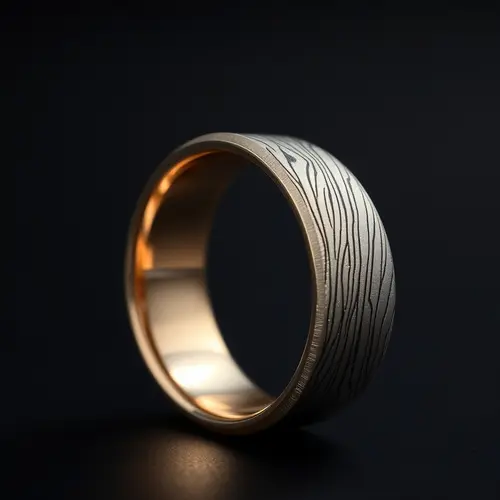
Table of Contents
Krikawa Designs attracts couples searching for one-of-a-kind symbols of commitment because the studio pioneers mokume gane and custom metallurgy in the bridal market. This Pittsburgh-based atelier transforms rare metal alloys into wearable art through a rigorous bespoke process.
The Signature Style of krikawa designs
The studio built its reputation on mokume gane, a Japanese metalworking technique that fuses layered alloys into wood-grain patterns. Unlike standard casting, this method demands precise thermal control and hand-forging. Each billet yields a distinct fingerprint, ensuring zero duplication. According to Gemological Institute of America guidelines, the structural integrity of diffusion-bonded metals relies on exact temperature curves, a standard this workshop exceeds.Why krikawa designs Leads in Mokume Gane Mastery
Most jewelers outsource mokume sheets. This team creates proprietary billets in-house. They control the layer count, metal ratios, and patterning reveals. This vertical integration allows for patterns like “Twist,” “Raindrop,” and “Wood Grain” to be engineered for specific ring profiles. The result is a structural bond that resists delamination, a common failure point in mass-produced layered rings.The Bespoke Commissioning Krikawa Designs Process
The journey begins with a design consultation, either virtual or at the Pittsburgh studio. Clients select base metals, pattern styles, and gemstone settings. A dedicated project manager then renders CAD models for approval. Once signed off, the fabrication phase starts. This includes billet creation, patterning, forming, stone setting, and finishing. The average timeline spans eight to twelve weeks. As reported by The Knot, clear milestone communication separates elite ateliers from standard retailers.- Metal Selection: Palladium, platinum, gold alloys (14k/18k), and alternative metals like tantalum.
- Pattern Depth: Light etching for subtle texture or deep carving for dramatic contrast.
- Finish Options: Matte, satin, high polish, or hammered textures applied by hand.
- Gemstone Integration: Diamonds, sapphires, moissanite, or heirloom stones reset into new mounts.
Material Science & Metallurgy Comparison
Choosing the right alloy stack dictates color contrast, durability, and maintenance. The table below outlines common combinations used in the studio.| Metal Combination | Visual Contrast | Hardness (Vickers) | Maintenance Level |
|---|---|---|---|
| 14k Yellow Gold / Sterling Silver | High (Warm/Cool) | 120-150 HV | Moderate (Silver oxidizes) |
| 18k Rose Gold / Palladium White Gold | Medium (Pink/Grey) | 180-220 HV | Low |
| Platinum / 18k Green Gold | Subtle (Grey/Green) | 200-250 HV | Very Low |
| Tantalum / 14k Yellow Gold | Extreme (Black/Gold) | 200+ HV | Very Low |
Investment Value & Heirloom Quality
Custom work commands a premium over bench-made bands. Pricing typically starts around $3,500 for a simple mokume band and scales with complexity, gemstones, and platinum content. Resale value holds stronger than commercial brands because the metal weight is substantial and the craftsmanship is documented. Jewelers of America notes that documented provenance and maker marks significantly impact secondary market appraisal for artisan jewelry. This studio provides a detailed build sheet with every piece. Protect the investment after delivery: store the band alone in a lined slot, remove it for gym sessions and harsh chemicals, and book an annual check where a jeweler tightens settings and re-polishes high-wear edges. Insure the finished piece for replacement value on day one, with the build sheet and appraisal photos attached to the policy.Verdict: Is It Worth It?
I have seen clients bring in mass-produced mokume rings where the layers separated at the shank base after two years. That failure stems from poor diffusion bonding or incorrect alloy expansion rates. This studio solves the thermal expansion mismatch by calculating the coefficient of thermal expansion (CTE) for every metal pair before fusing. That engineering rigor is the differentiator. If you view a ring as a generational asset rather than a consumable accessory, the upfront cost amortizes to pennies per day over fifty years. Compare silhouettes in our women’s wedding band styles before finalizing the mount. For couples ready to commission, prepare reference images, know your ring size precisely, and allocate a realistic budget for the metal weight required for your finger size. The team guides the rest. Bring lifestyle notes to the consult: manual work, sports, and climate all steer metal choice, and a ring worn daily in humidity needs different finishes than one worn on weekends. Choosing krikawa designs means investing in metallurgical engineering as much as aesthetics.Commissioning Checklist: Questions to Ask Any Atelier
Use this checklist when evaluating Krikawa Designs or any bespoke studio, so showroom charm never substitutes for engineering answers. First, ask who makes the billet: in-house production with named alloys beats outsourced sheets every time. Request the exact metal pairing and its hardness rating, then confirm the pattern survives resizing, since some etched designs blur when the shank stretches. Second, pin down the build sheet. It should list metal weights, stone specs, finish steps, and warranty terms in writing before you pay a deposit. Third, clarify the remake policy: what happens if the pattern pleases on screen but disappoints on the finger? Elite shops offer one design revision inside the quoted price. Fourth, verify appraisal support. Ask Krikawa Designs for documented provenance and maker marks with every piece, because insurers and future appraisers price paper trails, not promises. Finally, plan sizing honestly: measure the finger at three times of day and commission for the largest reading, since tight rings unworn are money wasted. Plan the calendar backward from the wedding date. Commission at least five months out: one month for design rounds, three for fabrication, one buffer for resizing or engraving fixes. Rush fees appear when couples compress this into eight weeks, and rushed billets skip rest cycles that stabilize layered metals. Pay deposits by milestone, never in full upfront: design approval, mid-fabrication photos, then balance on delivery inspection with loupe and scale in hand.How long does a Krikawa Designs commission take?
Eight to twelve weeks from approved CAD to finished ring. Krikawa Designs builds billets in-house, so pattern engineering sets the pace, not stone sourcing.
How much does a mokume gane band cost?
Around 3,500 dollars for a simple band, rising with platinum and gemstones. Documented weight and maker marks protect resale better than brand premiums.
Does mokume gane delaminate over time?
Well-fused billets do not. Delamination traces to poor diffusion bonding; ask any maker for their thermal process before paying.

Bellinda Taylor
Bellinda Taylor is a senior wedding editor at Best Wedding covering reception design, jewelry, and guest experience. 7+ years, 150+ guides. Method: vendor contracts, trend forecasts, and logistics data. Author of 2,263 wedding guides since 2022.