The Meaning and Significance of Wedding Vow Books in Modern Ceremonies
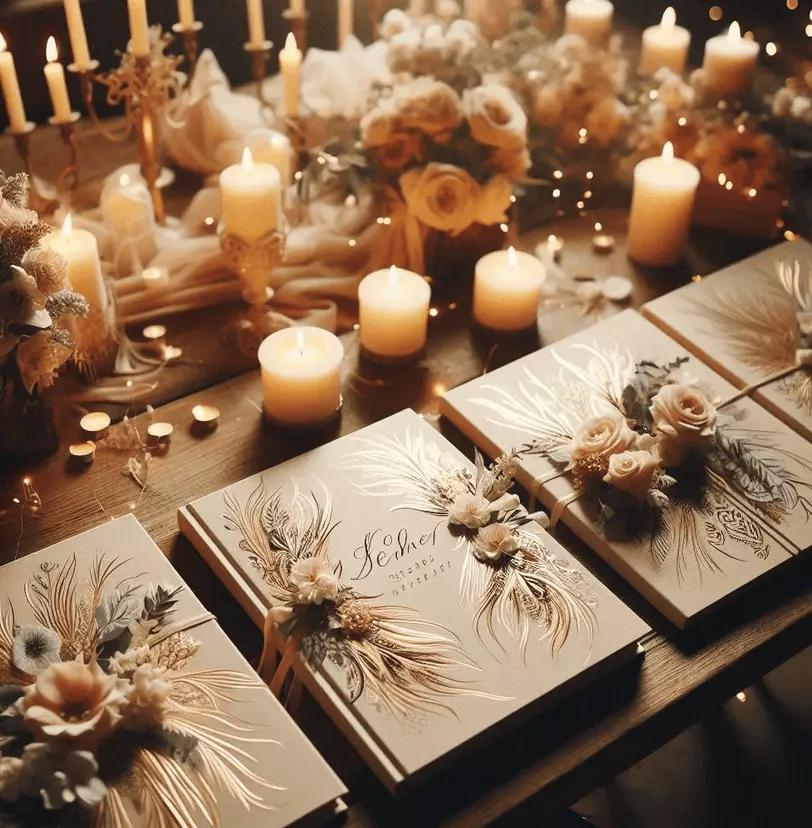
Table of Contents
Weddings are rich in symbolism, ceremony, and personal expression. Among the myriad details couples consider—rings, music, flowers, and vows—the concept of recording vows in a dedicated wedding vow book has become increasingly meaningful for many. While traditionally vows were spoken without a physical keepsake, the practice of writing and preserving them in a book has roots that stretch across cultures and generations.
A wedding vow book is a simple yet thoughtful object: a place where couples write their promises to one another. But beyond practicality, it serves as a physical reminder of commitment, memory, and the emotional significance of one of life’s most important moments.
What Are Wedding Vows?
Wedding vows are personal promises exchanged between partners during a marriage ceremony. They often articulate love, values, intentions, and commitments for the future. Vows may be:
- Religious or spiritual, grounded in tradition
- Personal and heartfelt, reflecting individual experiences
- Poetic or literary, drawing from meaningful texts
- Lighthearted, incorporating humor and personality
Traditionally spoken aloud during the ceremony, vows represent one of the most memorable parts of a wedding. Writing them down formalizes the act of commitment and invites reflection.
The Purpose of a Wedding Vow Book
A wedding vow book serves several roles in the context of a marriage:
1. A Physical Record of Promises
Spoken words can be fleeting, especially during the emotional intensity of a wedding ceremony. Writing vows in a book ensures they’re preserved in tangible form. This allows couples to revisit their words in future years and remember exactly what they intended and hoped for in the early days of marriage.
2. A Shared Keepsake
Unlike digital notes or loose sheets of paper, a wedding vow book becomes a shared object that both partners can revisit. It can hold:
- Both partners’ vows side-by-side
- Notes written before the wedding
- Reflections written after the ceremony
- Future annotations on anniversaries
This shared artifact becomes part of a couple’s personal history.
3. A Tool for Preparation and Reflection
Writing vows encourages introspection. Couples often reflect on past experiences, core values, and future aspirations as they craft their promises. This process fosters deeper communication, mutual understanding, and emotional clarity before entering married life.
Historical and Cultural Context
Vows have been part of marriage traditions across cultures for centuries. Ancient civilizations had rites that included spoken promises, but the act of writing vows—which later became common in Western ceremonies—grew with increased literacy and the rise of personalized celebrations.
In some traditions, written vows were affixed to family bibles, passed down through generations, or kept among family heirlooms. This helped connect marriage not only to spiritual commitment but to family memory and legacy.
Today, many couples—regardless of cultural background—continue to value the written word as part of their wedding ritual, preserving vows as artifacts of momentous emotional significance.
How Couples Use Wedding Vow Books
A wedding vow book can be used in different ways depending on the couple’s preference and ceremony style:
Ceremony Use
Some couples read directly from the journal during their ceremony. The book then becomes a record of the exact words spoken. Others may read aloud from memory or a printed sheet but later write the finalized vows into the book together.
Post-Ceremony Reflection
After the ceremony, couples may choose to write additional notes—reflections on the day, reactions to one another’s vows, or aspirations for their first year of marriage.
Anniversary Tradition
Some couples revisit their vow book on anniversaries, adding comments, memories, or reflections after each year. This turns the book into a living document of their evolving relationship.
Why Physical Keepsakes Still Matter
In an age dominated by digital media, physical keepsakes like wedding vow books hold unique emotional value. Unlike digital files that can get lost, corrupted, or forgotten, a carefully preserved book provides:
- Tactile connection — the act of holding and reading handwritten vows creates a sensory experience digital screens can’t replicate
- Durability — well-made pages and bindings can last for decades
- Emotional presence — physical objects often feel more personal and intimate
These elements help transform the simple act of writing into a meaningful ritual.
Tips for Creating Meaningful Vows
While the focus here isn’t on the product itself, understanding how couples approach writing vows helps explain why they’re often preserved in a dedicated book:
Reflect on Your Relationship
Consider key moments, challenges, and memories that define your connection.
Focus on Core Values
Promising actions rooted in values — like kindness, partnership, patience — makes vows meaningful and enduring.
Incorporate Personal Stories
Including small moments that mattered adds depth and authenticity.
Be Present and Honest
Speak from the heart. Honesty and vulnerability create emotional resonance.
Conclusion
A wedding vow book serves as more than a written record; it’s a symbol of connection, intention, and memory. By capturing the promises partners make to one another, these books preserve the emotional essence of commitment in physical form. Whether read aloud during the ceremony, revisited on anniversaries, or treasured in future years, wedding vow books remain a timeless way to honor love, reflection, and shared aspirations in the journey of marriage.

Bellinda Taylor is a senior wedding editor at Best Wedding covering reception design, jewelry, and guest experience. 7+ years, 150+ guides. Method: vendor contracts, trend forecasts, and logistics data.