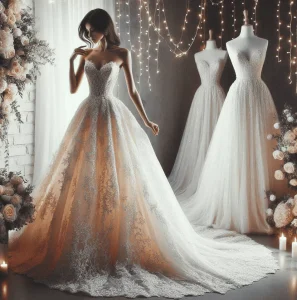
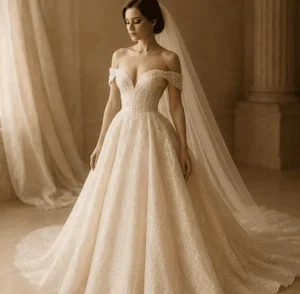
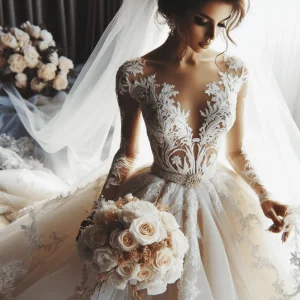
Vintage-Inspired Classic Romance Wedding Dress

Table of Contents
A vintage wedding dress offers something a new gown often cannot: a sense of history, a distinctive silhouette, and a story that belongs only to you. It can also be a practical choice for a smaller budget or a more sustainable wedding. The key is knowing what to look for, what can be altered, and when to walk away.

What Makes a Vintage Wedding Dress Work
The best vintage pieces are not simply old. They have a strong silhouette, sound fabric, and details that still feel deliberate. A 1930s bias-cut gown, a 1950s tea-length dress, and a 1970s bohemian style each carry a different mood. Decide which era suits your venue and personality before you shop, or you will be pulled in too many directions.
For a vintage wedding dress, condition matters as much as style. Check underarms, hems, and seams for stains, tears, and shattering fabric. Some flaws can be repaired, but fragile silk and degraded lace may not survive a fitting. Ask a seamstress to assess the piece before you buy, especially if the price seems unusually low.
Silhouettes and Eras That Still Work
Bias-cut gowns from the 1930s drape beautifully but leave little room for alteration. Tea-length dresses from the 1950s suit garden and courthouse weddings and are easier to move in. 1960s shifts are simple and modern, while 1970s dresses often feature billowy sleeves and lace that photograph softly. A Victorian or Edwardian piece may be better as a display or a reception change than as a full ceremony gown.
Try on more than one era if you can. A silhouette that looks stiff on the hanger can feel completely different on the body. Bring the shoes and undergarments you plan to wear, because vintage cuts often sit differently than modern ones.
Vintage Wedding Dress Shopping Tips
Shop with a budget that includes cleaning and alterations. Vintage gowns often need a specialist clean, and delicate fabrics may require hand work. Ask whether the seller has documentation, and inspect the dress in daylight rather than under warm shop lighting. Look inside the bodice for sweat stains, under the arms for discoloration, and along the hem for water damage.
Measurements matter more than the label size. Compare the garment’s bust, waist, and hip measurements with your own, and leave room for movement. If you buy online, ask for close-up photos of every flaw and confirm the return policy in writing. For the modern side of the same wardrobe, browse our guide to the wedding dress and these elegant wedding gowns.
How Much Can a Vintage Gown Be Altered?
A good seamstress can take in seams, shorten a hem, and adjust straps, but vintage fabric has limits. Let out a dress only if there is hidden seam allowance, which many older garments lack. Rebuilding a bodice or changing a neckline can cost more than the dress and may destroy its character.
Ask for an alteration quote before you commit. If the quote approaches the price of a new gown, compare the total cost honestly. The value of a vintage wedding dress is partly emotional, but it should still fit your body and your budget.
Cleaning, Care, and Preservation
Have the gown cleaned by someone who works with vintage textiles. Do not attempt a home wash on silk, lace, or beaded fabric. Store it in acid-free tissue and a breathable box, and keep it away from direct sunlight. If you plan to keep the dress as an heirloom, ask the cleaner for archival packing instructions.
Reusing a vintage dress is a sustainable choice as well. A gown that already exists needs no new fabric, dye, or shipping, and it keeps a well-made garment in use instead of in storage. If the dress needs repairs, choose a seamstress who works with delicate textiles and ask for invisible mending where possible. Small imperfections often add character, but structural repairs should be handled before the wedding, not after. The Environmental Protection Agency tracks textiles in the waste stream and offers practical context on keeping useful materials in circulation at epa.gov.
Styling Details That Feel Modern
In styling a vintage wedding dress, let the dress lead. A vintage wedding dress rarely needs a lot of jewelry. Choose one strong accessory, such as pearl earrings, a simple veil, or a small hairpiece, and keep the rest quiet. Modern shoes and a clean bouquet can keep the look from feeling like a costume.
Hair and makeup should support the era without copying it. A soft wave suits a 1930s gown, while a sleek bun works with a 1960s shift. Avoid heavy contouring and elaborate updos that fight the dress. The goal is to look like yourself in a beautiful old gown, not like a period reenactment.
A Practical Checklist Before You Buy
Before you buy, confirm the measurements, inspect the condition in daylight, and get an alteration quote. Ask about cleaning history and return terms. After you buy, book a specialist clean, plan the fittings, and store the dress properly until the day. Keep the wedding planning guide nearby for the rest of the timeline.
When a vintage gown fits well and is cared for properly, it becomes more than a dress. It becomes a piece with a past and a future, which is exactly what makes it worth choosing.
Frequently Asked Questions
How do you know if a vintage wedding dress is in good condition?
Inspect it in daylight for stains under the arms and hem, tears along seams, and fabric that feels brittle. Ask a seamstress to assess fragile lace or silk before you buy, and request close-up photos if shopping online.
Can a vintage wedding dress be resized?
Often it can be taken in or shortened, but letting out depends on hidden seam allowance. Major structural changes can cost more than the gown. Get an alteration quote before you commit.
How should you clean and store a vintage gown?
Use a cleaner experienced with vintage textiles, never a home wash. Store it in acid-free tissue in a breathable box, away from sunlight, and ask for archival packing if you plan to keep it.
Bellinda Taylor is a senior wedding editor at Best Wedding covering reception design, jewelry, and guest experience. 7+ years, 150+ guides. Method: vendor contracts, trend forecasts, and logistics data. Author of 2,263 wedding guides since 2022.