Capturing Moments: Essential Wedding Photography Tips
Table of Contents
The best wedding photography tips start with people: the work is less about the newest lens and more about anticipating what happens next. The strongest images come from a photographer who understands the schedule, reads the room, and knows when to step back. These wedding photography tips focus on the habits that consistently produce honest, usable photographs across a long and unpredictable day.

Wedding Photography Tips Begin With a Real Timeline
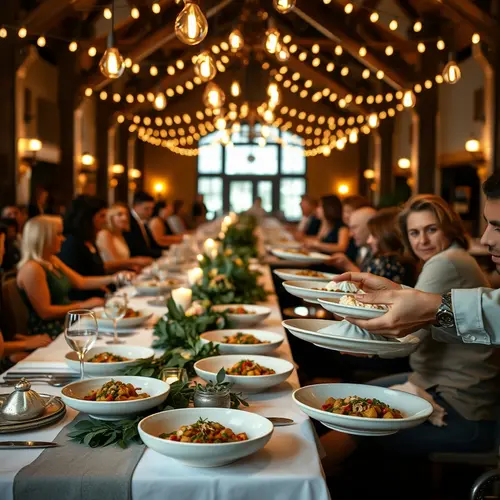
Wedding photography tips always begin with a timeline, so ask for one before you touch a camera. Knowing when the dress goes on, when family arrives, and when the ceremony starts tells you where to be and what to protect. Build in buffer for the unexpected, especially during portraits and family groups, because those are the moments most likely to run long.
Agree on the must-have shots in advance and keep the list short. A dozen meaningful images, such as the couple’s first look, the grandparents, and the vows, matter more than a hundred staged variations. Share the list with the planner so family members can be gathered before the light changes.
Work With the Light You Get
Most weddings do not offer perfect light, which is why wedding photography tips focus on shaping what is there. Put the couple in open shade when the sun is harsh, use a reflector or a subtle flash to lift faces, and turn the couple toward the brightest part of the sky for clean skin tones. During golden hour, work quickly and deliberately, because the best window may last only twenty minutes.
For indoor ceremonies, find the direction of the ambient light and avoid mixing it with a flash that fights the room. If the venue is very dark, embrace it and expose for the faces rather than trying to make the room look bright. Consistency in editing starts with consistency in capture.
Compose for Story, Not Perfection
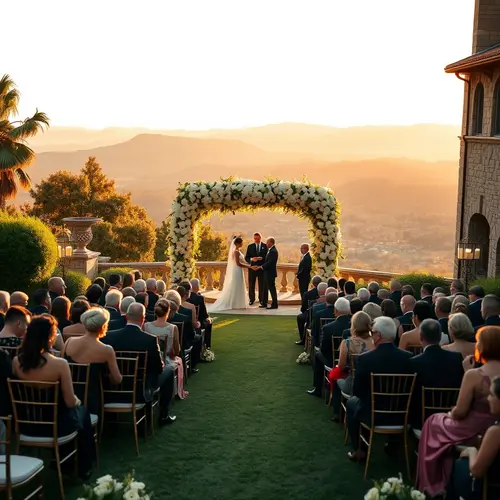
For stronger wedding photography tips, remember that a clean frame should tell the viewer where they are and what is happening. Use the architecture of the venue, the aisle, or the horizon to lead the eye toward the couple. Leave some negative space for the emotion to sit, and avoid filling the corners with distracting gear, exit signs, or half-finished tables.
Mix wide establishing shots, medium frames of the ceremony, and close details of hands, rings, and faces. That variety gives an album rhythm. When you shoot a detail, ask what it says about the day rather than simply recording an object.
Capture Emotion Before It Disappears
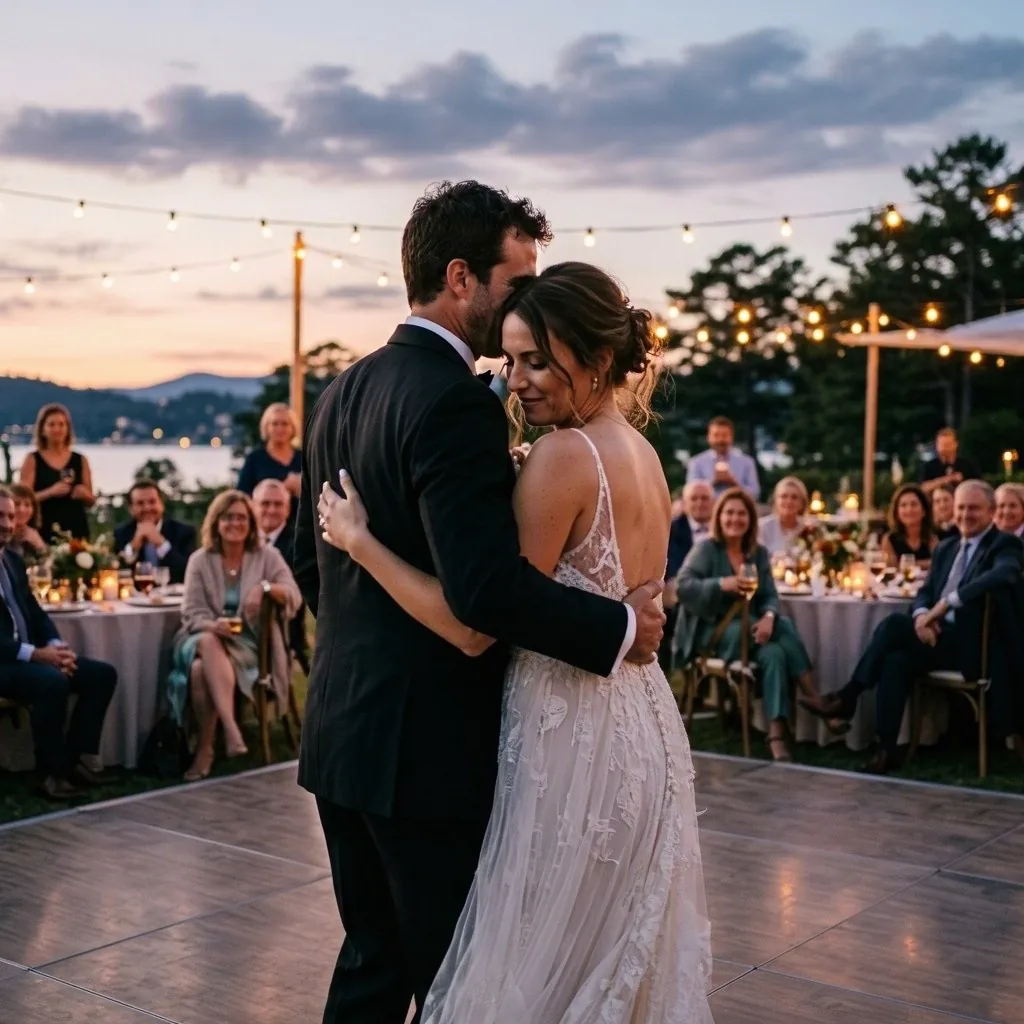
The best expressions rarely happen on command, one of the most useful wedding photography tips to internalize. Watch the couple during the vows, the parents during the toast, and the friends during the first dance. Keep your camera ready and your presence calm, and resist the urge to direct every moment. A quiet, attentive photographer often gets closer to the truth than a loud one.
Learn the small signals that precede a reaction: a deep breath before a speech, a hand squeeze before the first look, a glance toward a parent. Anticipating those cues lets you press the shutter a second earlier, which is often the difference between a polite photo and a memorable one.
Build Trust With the Couple
People relax around a photographer they trust, a point every wedding photography tips list repeats. Meet before the wedding, explain how you work, and ask what makes them uncomfortable. On the day, give clear, simple direction when needed and then get out of the way. A calm photographer lowers the temperature of the whole room.
Respect the boundaries of the event, too. Do not block the officiant, step into the aisle during the vows, or ask guests to move repeatedly. The couple will remember how the day felt, not just how the photos looked.
Gear and Backup Discipline
Wedding photography tips on gear are simple: carry two camera bodies if possible, and format cards before the day starts. Pack spare batteries, a second flash, lens cloths, and a weather cover for outdoor ceremonies. Label cards and back them up as soon as you leave the venue, ideally to two separate drives before you edit.
Test every piece of gear in the days before the wedding, and know how to switch to a backup quickly. Equipment failure is stressful but survivable when the plan already includes a second body and a second card.
Edit for Consistency, Deliver on Time
A strong gallery feels like one story rather than a collection of experiments. Choose a consistent color treatment, correct exposure carefully, and resist heavy trends that will date quickly. Deliver a small preview within a few days so the couple can share the excitement while it is fresh, then follow the contract timeline for the full gallery.
Back up the final files, keep the originals, and ask for feedback. Every wedding teaches something that improves the next one.
Wedding Photography Tips for the Final Gallery
Before you deliver, review the set as a couple would. Look for missing family combinations, repeated frames, and images that do not add to the story. A tighter gallery of strong photographs is more valuable than a large one full of near-duplicates. For more on the craft, see our guides to wedding photography, current wedding photography trends, and essential wedding photography skills. The National Park Service also offers a useful primer on photographing natural landscapes at nps.gov.
None of these habits require exotic equipment. They require preparation, attention, and the discipline to keep shooting when the schedule slips. That combination is what separates a serviceable record from a gallery a couple will return to for decades.
Frequently Asked Questions
What is the most important wedding photography skill?
Anticipation. Knowing the schedule and reading people lets you be in the right place before a moment happens. Technical skill matters, but timing and calm presence usually decide whether a gallery feels alive.
How many photographers do you need for a wedding?
One experienced photographer can cover a small wedding well. A second shooter helps with large guest counts, tight timelines, and simultaneous preparations. Decide based on the schedule, not on a package label.
How long should wedding photos take to deliver?
A small preview within a few days is common, with the full gallery following the contract timeline, often four to eight weeks. Ask for the delivery date in writing before you book.

Bellinda Taylor is a senior wedding editor at Best Wedding covering reception design, jewelry, and guest experience. 7+ years, 150+ guides. Method: vendor contracts, trend forecasts, and logistics data. Author of 2,263 wedding guides since 2022.