Unique Wedding Party: Ideas That Actually Work
Table of Contents
Unique wedding party designs go beyond the traditional lineup of matching bridesmaids and groomsmen. It’s about creating roles, aesthetics, and dynamics that reflect who you are as a couple and what matters to you on your wedding day. Whether you’re reimagining roles, mixing genders, or introducing entirely new positions, a unique wedding party lets you break conventions without losing the meaning behind having these people by your side.
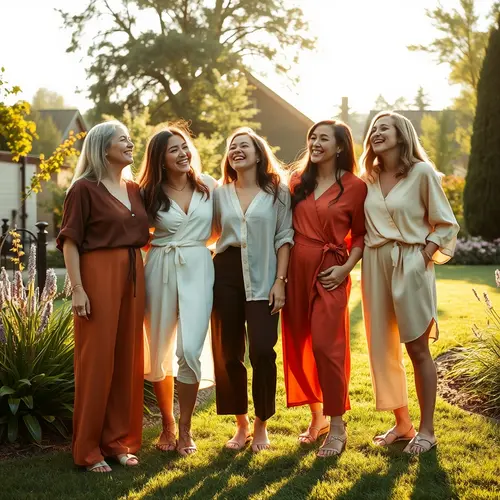
Accessories—boutonnieres, flowers, ties, jewelry—are where personality shows. Your attendants might skip traditional bouquets in favor of pins, wrist corsages, or something unconventional entirely. Each choice signals that you’ve thought about who these people are and what they’d actually want to wear.
What Defines a Unique Wedding Party?
The standard wedding party—five bridesmaids, five groomsmen—worked for decades because it was predictable and commercially supported. Today, couples are asking different questions: What if we skip gendered roles? What if we have one best person instead of 10? What if we invite people to participate in ways that align with our actual relationships? A distinctive bridal party recognizes that not everyone wants matching dresses or identical suits. Some couples choose a small, intimate group. Others expand to include children, parents, or friends in specialized roles that don’t fit traditional categories. The core principle is intentionality—every person has a defined reason for being there. According to wedding survey data, roughly 35% of couples now deviate from traditional party structures, opting for smaller groups, gender-neutral roles, or hybrid approaches. This shift reflects the reality that modern relationships don’t always fit neat boxes.Common Structures
You don’t need to follow a formula, but understanding the common approaches helps you choose what resonates with you.- The Intimate Core: One to three attendants total, regardless of gender. These are your closest people.
- The Mixed Group: No separation by gender. Bridesmaids, groomsmen, and best people coexist with no role restrictions based on identity.
- The Role-Based Approach: People are chosen for specific functions—ceremony reader, logistics manager, emotional support person—not just to stand in a line.
- The Family-Focused Party: Parents, siblings, and even older children get active roles rather than relegated to the audience.
- The Witness-Only Model: A legally required witness (sometimes just one or two people) handles the paperwork, while everyone else celebrates without formal “party” status.
Styling with Intention
Tradition says the wedding party should be visually uniform. A modern bridal party challenges that. You might ask attendants to wear the same color palette but choose their own style. You might request a dress code rather than a specific dress. You might skip matching accessories entirely. Color coordination remains popular because it photographs well and gives visual cohesion. According to wedding planner consensus from the American Association of Wedding Planners, couples who choose coordinated colors over exact matches report higher satisfaction—attendants feel respected, and the aesthetic is still polished.| Styling Approach | Best For | Visual Impact | Budget Flexibility |
|---|---|---|---|
| Matching Outfits | Formal, traditional weddings | Highly cohesive, formal | Low flexibility |
| Color Palette Match | Most modern weddings | Coordinated, personalized | Moderate flexibility |
| Dress Code Only | Casual or eclectic weddings | Individual expression | High flexibility |
| Mixed Aesthetics | Very casual or artistic weddings | Authentic, informal | Maximum flexibility |
Redefining Roles: Beyond the Standard Duties
The traditional best man gives a toast and organizes the bachelor party. The maid of honor manages shower planning and bachelorette details. Your crew might distribute responsibilities differently or create roles that didn’t exist in the playbook. Consider what actually matters on your wedding day: logistics management, emotional support, ceremony participation, or simply presence. Assign roles based on people’s strengths, not titles. Fresh formats pair well with modern wedding ideas for the whole day. One person might be your ceremony coordinator while another handles guest experience. Neither is more or less important—they’re just different. Some couples name one or two people as the primary contacts, then give other attendants optional supporting roles. This removes pressure and acknowledges that not everyone has capacity for event planning, even if they’re honored to stand with you.Budget Considerations for a Unique Wedding Party
A unique wedding party of four often costs less than a traditional one simply because it’s usually smaller. Fewer people means fewer gifts to give, fewer outfits to coordinate, and fewer events to host. Right-size the gift list too with unique wedding gifts that suit a small crew. You might have four people instead of eight—that’s an immediate reduction in budget. When you do choose people, be transparent about costs. Whether it’s a specific dress price, travel, or event expenses, clarity upfront prevents resentment. Many couples now offer to subsidize significant costs for attendants as a way of honoring them. Flowers, accessories, and photographer time scale down proportionally. If you’re cutting the party size in half, you’re roughly cutting those vendor costs in half as well.Common Concerns and How to Navigate Them
What if people feel excluded? Be clear about why you’re choosing this structure. A conversation explaining that you’re keeping the party small because these specific relationships matter most—or that you’re creating roles that fit people’s actual capacities—clarifies intent. Most people understand when they feel genuinely considered. Will it look odd in photos? No. Professional photographers have shot every conceivable wedding party configuration. Three people, ten people, a mix of genders in non-matching outfits—it all works if the vision is intentional. Cohesion comes from styling, posing, and context, not uniformity. What about family pressure? This is real. If your family expects a large traditional party, have that conversation early. Explain your reasoning and give them a role if they want one—but on your terms, not theirs.Real-World Example: When It Makes Sense
This unique wedding party story shows the repeatable pattern behind the choice. You might choose this path because you’re marrying later in life and your closest friendships have evolved. You might do it because you’re introverted and want fewer people involved in planning. You might do it because your partner’s family is small, and you want balance without padding the numbers. You might do it because you have one best person and no one else measures up to that standard. Going custom isn’t about rejecting tradition—it’s about respecting your actual life. That’s always the stronger choice than forcing people into roles they don’t fit just to match a predetermined format.Making It Work with Vendors
Most wedding vendors expect a unique wedding party brief by now. Florists accommodate different bouquet requests. Photographers know how to compose groups of any size. Invitation designers can work with unconventional party structures without hesitation. The key is clarity. When you book vendors or discuss your plans, be specific about your wedding party lineup. How many people? What roles? What are the styling parameters? Vendors appreciate specificity and can deliver better results when they understand your vision. If a vendor seems rigid or dismissive about your approach, that’s usually a signal to work with someone else. Most professionals in the wedding industry have seen enough variation that nothing surprises them anymore.Moving Forward: Your Rules
A unique wedding party starts with one decision: prioritizing what matters to you over what “should” happen. That choice ripples through every other wedding decision. Once you grant yourself permission to reimagine this one element, you often find yourself rethinking other conventions too. Whether your unique wedding party has two people or fifteen, whether it breaks every rule or bends just one, the strength comes from intention. Your wedding day reflects your values. A unique wedding party should too.How small can a wedding party be?
One witness is the legal minimum in most places. A unique wedding party of two to four attendants photographs beautifully and halves coordination work.
Do we have to match outfits?
No. Shared palettes with individual cuts satisfy photos and comfort alike. Give attendants a color, fabric, and length rule, then let them choose.
How do we handle family pressure for a big party?
Name the pressure early and offer visible alternative roles like readers or hosts. Most families accept a confident plan faster than a defensive one.
Bellinda Taylor
Bellinda Taylor is a senior wedding editor at Best Wedding covering reception design, jewelry, and guest experience. 7+ years, 150+ guides. Method: vendor contracts, trend forecasts, and logistics data. Author of 2,263 wedding guides since 2022.