Unisex Wedding Rings: Your Definitive Guide to Inclusive Style
unisex wedding rings
Table of Contents
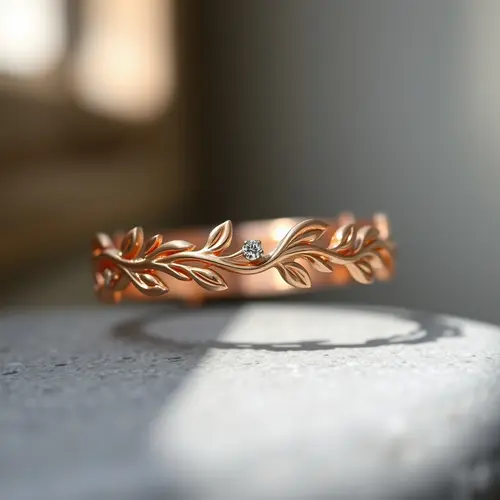
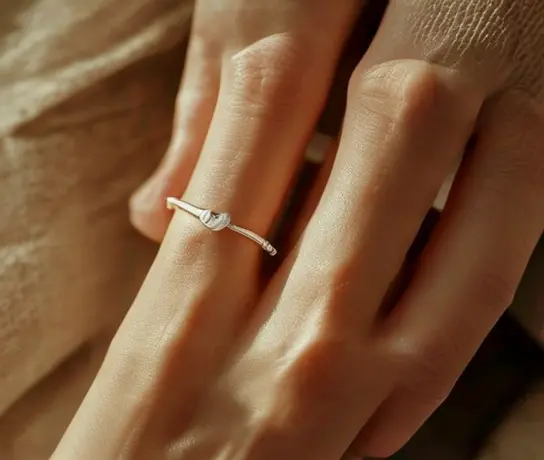
Unisex wedding rings represent a significant evolution in bridal jewelry, offering a profound statement of shared identity and commitment free from traditional gender norms. These rings are designed with universal appeal, focusing on aesthetic balance, comfort, and enduring symbolism for any individual or couple. The core appeal lies in their ability to transcend conventional distinctions, allowing partners to select rings that resonate with their personal style and shared values.
The movement towards gender-agnostic design in wedding jewelry reflects a broader societal shift embracing inclusivity and authenticity. Couples are increasingly seeking options that genuinely represent their unique bond, rather than conforming to outdated expectations. This guide explores the foundational principles, design considerations, and practical aspects of choosing truly meaningful unisex wedding rings.
Understanding the Appeal of Unisex Wedding Rings
The concept of unisex wedding rings is rooted in design versatility. These pieces often feature clean lines, balanced proportions, and robust construction, making them suitable for any hand. Their appeal is not about blending into a generic category, but rather about intentional design that prioritizes individual expression and harmonious pairing.
For many couples, selecting identical or complementary unisex wedding rings symbolizes equality and partnership. It’s a tangible representation of a united front, where both partners share the same commitment, reflected in the shared aesthetic of their chosen bands. This choice moves beyond surface-level trends, focusing on the enduring message of mutuality.
Design Principles for Effective Unisex Wedding Rings
Crafting a ring with universal appeal involves a thoughtful approach to materials, form, and finish. The goal is to create a piece that feels natural and appropriate on diverse hand shapes and sizes, without sacrificing elegance or presence. Key design elements include:
- Balanced Proportions: Rings are often designed with widths and thicknesses that are substantial enough for presence, yet refined enough to avoid bulk.
- Versatile Aesthetics: Styles range from sleek minimalist bands to those featuring subtle textures or understated engravings.
- Comfort Fit: An absolute necessity for daily wear, ensuring the ring glides on and off easily and rests comfortably on the finger. This ergonomic design is crucial for long-term satisfaction.
- Durable Materials: Given their intended longevity, common choices include precious metals like platinum and gold, alongside contemporary alternatives such as titanium or palladium.
Materials and Craftsmanship: Building Enduring Unisex Wedding Rings
The longevity and aesthetic of a wedding ring are heavily dependent on its material and the quality of its craftsmanship. When selecting unisex wedding rings, considerations extend beyond mere appearance to practical factors like scratch resistance, hypoallergenic properties, and maintenance.
Precious metals remain a perennial favorite for their inherent value and classic appeal. Platinum, known for its exceptional durability and natural white luster, is a top choice, as it is also hypoallergenic. Gold, in its various karats and colors (yellow, white, rose), offers warmth and versatility. Palladium, a member of the platinum family, provides a lighter, more affordable white metal option.
For those seeking contemporary aesthetics or enhanced durability, alternative metals like titanium, tungsten carbide, and cobalt chrome present compelling options. These metals are often more scratch-resistant and offer unique finishes, though resizing can be more challenging. According to insights from the American Gem Society (AGS), understanding metal properties is paramount for an informed decision, emphasizing that each material offers distinct advantages for specific lifestyles.
Choosing Your Metal: A Comparative Look
Understanding the properties of different metals is vital for making an informed choice for your unisex wedding rings. Here’s a brief comparison:
| Metal | Key Properties | Durability | Maintenance |
|---|---|---|---|
| Platinum | Hypoallergenic, naturally white, dense | Excellent (resistant to wear, retains mass) | Low (polishing to restore luster) |
| Gold (14k/18k) | Classic, varied colors (yellow, white, rose), malleable | Good (scratches, but can be polished) | Moderate (polishing, rhodium plating for white gold) |
| Palladium | Naturally white, lightweight, hypoallergenic | Good (similar to platinum, less dense) | Low (polishing to restore luster) |
| Titanium | Lightweight, very strong, scratch-resistant | Excellent (highly durable, difficult to scratch) | Low (simple cleaning) |
| Tungsten Carbide | Extremely hard, scratch-resistant | Exceptional (virtually scratch-proof, but brittle) | Low (simple cleaning) |
Beyond the metal, craftsmanship ensures the ring’s longevity. A well-finished ring, with smoothly polished surfaces and secure settings (if incorporating gemstones), exemplifies quality. Ethical sourcing of materials, particularly for gold and any diamonds or other precious stones, is also a growing concern for conscientious consumers. Reputable jewelers often adhere to guidelines from organizations like the Responsible Jewellery Council (RJC), ensuring transparency and integrity in their supply chains.
Expert Insight: Beyond Trends in Unisex Wedding Rings
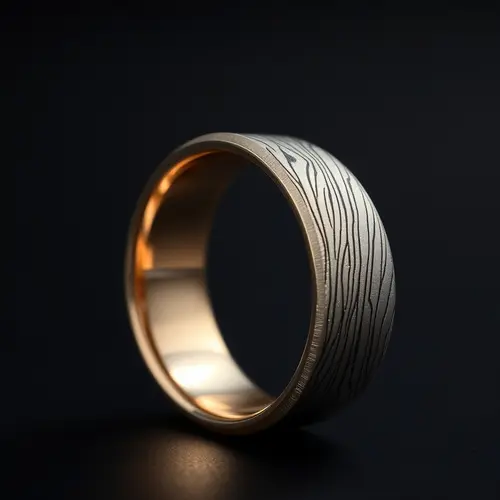
As a seasoned expert in wedding jewelry, I’ve observed a common misconception: that truly gender-neutral design equates to a lack of distinctive character. This couldn’t be further from the truth. The beauty of unisex wedding rings lies not in a bland uniformity, but in their intentional design to embody strength, elegance, and personal meaning without arbitrary constraints. For example, a polished platinum band with a subtle brushed finish might historically have been labeled “masculine.” However, on a different hand, it reads as sophisticated minimalism. The ring’s character is completed by the wearer, not predefined by its shape.
A frequent practical challenge arises when couples prioritize matching above all else, overlooking individual comfort or daily wear compatibility. For instance, a very wide, heavy band might look striking on one partner but feel cumbersome to another with smaller hands or a profession requiring fine dexterity. The key is to find *complementary* rather than *identical* designs if perfect symmetry compromises comfort. A jeweler skilled in bespoke design can adapt a core aesthetic, perhaps varying the width or adding a discreet personal engraving, ensuring both rings harmonize while respecting individual needs. The true value comes from intentional choice, not merely following an implied rule of “his and hers.”
Making Your Selection: A Thoughtful Process
Choosing your unisex wedding rings is a deeply personal journey. Begin by considering your shared lifestyle and individual preferences. Do you prefer understated elegance or something with more character? What level of maintenance are you comfortable with? Will the ring complement other jewelry you wear regularly?
Visiting a reputable jeweler with a diverse selection is crucial. Many independent designers specialize in inclusive jewelry, offering custom design services that allow for unparalleled personalization. Take your time, try on various styles, and discuss your needs openly. The right ring will feel like a natural extension of your identity and your relationship.
Ultimately, unisex wedding rings offer couples the freedom to define their commitment on their own terms. They are more than just jewelry; they are symbols of a bond built on respect, equality, and authentic love. By focusing on quality, intentional design, and personal resonance, you can select rings that will be cherished for a lifetime, truly representing your unique story.

Bellinda Taylor is a senior wedding editor at Best Wedding covering reception design, jewelry, and guest experience. 7+ years, 150+ guides. Method: vendor contracts, trend forecasts, and logistics data.