Ultimate Guide: Mastering Your Perfect bands wedding rings

bands wedding rings
Table of Contents
Selecting bands wedding rings is a significant milestone, representing enduring commitment and personal style. These foundational pieces of bridal jewelry are distinct from engagement rings, primarily serving as the daily symbol of marriage worn by both partners. Understanding the nuances involved ensures you choose a ring that offers both aesthetic appeal and lasting comfort, perfectly encapsulating your unique bond for a lifetime.
What Defines Your bands wedding rings?
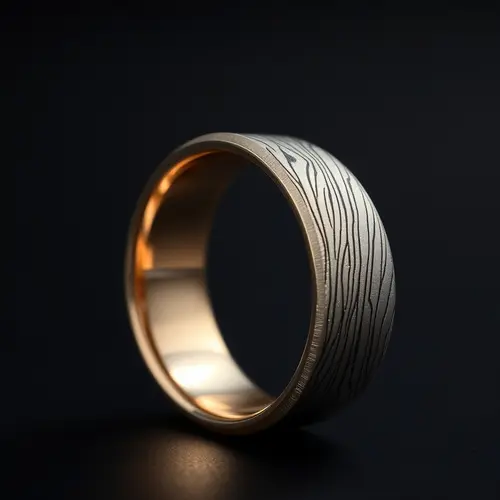
A wedding band, or wedding ring, is typically a simpler ring compared to an engagement ring, designed for daily wear. It’s exchanged during the wedding ceremony. While traditionally plain, modern interpretations often include diamonds, intricate engravings, or unique metal finishes.
The choice between matching or complementary bands is personal. Many couples opt for styles that reflect individual taste while still harmonizing. The core purpose remains constant: a tangible symbol of unity and dedication.
Choosing the Right Metal for Your bands wedding rings
The metal choice dictates durability, appearance, and maintenance of your ring. Precious metals like gold and platinum are classic, but alternative metals offer unique advantages.
- Gold (Yellow, White, Rose): Measured in karats (e.g., 14K, 18K), indicating purity. Higher karats mean more gold, softer metal, and richer color. White gold is typically alloyed with white metals and plated with rhodium.
- Platinum: A naturally white, dense, and durable metal. It’s hypoallergenic and develops a beautiful patina over time. It’s also significantly heavier than gold.
- Palladium: A member of the platinum family, naturally white, lightweight, and hypoallergenic. It offers a similar aesthetic to platinum at a different price point.
- Alternative Metals: Titanium, Tungsten Carbide, and Cobalt Chrome are known for extreme durability, scratch resistance, and often a more contemporary look. These are excellent choices for active lifestyles.
Consider your lifestyle when choosing a metal. Someone working with their hands might prefer a more scratch-resistant material. As highlighted by resources from the Gemological Institute of America (GIA), understanding metal composition is paramount for long-term satisfaction.
| Metal Type | Durability | Hypoallergenic | Maintenance | Typical Density |
|---|---|---|---|---|
| 18K Gold | Good (scratches) | Generally Yes | Polishing, Rhodium (white gold) | Medium |
| Platinum | Excellent (patina) | Yes | Polishing, infrequent | High |
| Tungsten Carbide | Exceptional (shatter risk) | Yes | Low (non-resizable) | Very High |
| Titanium | Very Good (light scratches) | Yes | Low (non-resizable) | Low |
Design Elements for Your Perfect bands wedding rings
Beyond metal, the design of your wedding band adds personal flair. Common styles include plain polished bands, often with a domed or flat profile. Milgrain detailing adds a vintage touch, while diamond-set bands, such as eternity or half-eternity styles, provide sparkle.
The internal fit is also critical. A “comfort fit” band is slightly domed on the inside, reducing friction and making it easier to put on and take off. A “standard fit” band is flat on the inside. Most jewelers recommend comfort fit for wider bands or individuals prone to swelling.
Sizing and Fit: A Critical Aspect
Accurate sizing is non-negotiable for long-term comfort and security. Your fingers can swell and shrink throughout the day and with temperature changes. A professional jeweler should measure your finger multiple times under varied conditions.
- Visit a jeweler for professional sizing, ideally mid-day when fingers are at their most natural size.
- Consider the width of the band; wider bands typically require a slightly larger size.
- Think about your local climate and potential activities.
- Account for any existing engagement ring to ensure the bands sit flush and comfortably together.
Expert Insight: The Longevity of Your Choice
A common misconception is that harder metals are always better for wedding bands. While metals like tungsten carbide boast incredible scratch resistance, they are also brittle and cannot be resized. Platinum, though softer in its pure form, is extremely dense and durable. It holds its shape well and wears down less over time compared to gold. When platinum scratches, metal is displaced, not lost, contributing to its unique patina. Gold, especially higher karats, will show wear through actual metal loss.
For individuals with specific sensitivities, hypoallergenic metals are crucial. Both platinum and titanium are excellent choices. As affirmed by institutions like Jewelers of America, ensuring proper material disclosure and quality hallmarks are essential consumer protections.
Maintenance and Care for Your bands wedding rings
Regular cleaning and inspection preserve the beauty and integrity of your rings. A simple solution of warm water and mild dish soap with a soft brush often suffices for routine cleaning. Avoid harsh chemicals like bleach, which can damage metals and gemstones.
Store your wedding rings separately from other jewelry to prevent scratches. Schedule annual professional cleanings and inspections to check for loose stones, worn prongs, or structural issues. This proactive approach ensures your bands wedding rings remain pristine for decades.
Choosing your bands wedding rings is an intimate journey, merging personal expression with enduring symbolism. By understanding the critical elements of metal, design, and fit, and prioritizing longevity through informed decisions and proper care, you select a piece that truly celebrates your commitment today and for all tomorrows.

Bellinda Taylor is a senior wedding editor at Best Wedding covering reception design, jewelry, and guest experience. 7+ years, 150+ guides. Method: vendor contracts, trend forecasts, and logistics data. Author of 2,263 wedding guides since 2022.