Setting the Tone: Choosing the Perfect Wedding Music Playlist
Table of Contents
A wedding music playlist is more than a list of favorite songs. It is a schedule of moods, from the quiet arrival of guests to the last song of the night. When the playlist is planned around the moments of the day, the music supports the event instead of competing with it.

Build a Wedding Music Playlist Around the Moment
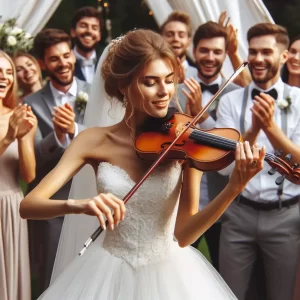
A wedding music playlist starts with the ceremony, not the dance floor. Choose processional music that gives the couple and the wedding party enough time to walk without rushing. The recessional should be brighter and shorter. If you are using a live musician, confirm how many songs they can learn and whether they need sheet music.
Then move through the day. Cocktail hour wants conversation-friendly music at a moderate volume. Dinner can be slightly more melodic but should never force guests to shout. The first dance and parent dances need clean introductions, and the open dance floor needs a ramp rather than a sudden jump into high energy.
A Wedding Music Playlist Timeline
Create a simple table with time, moment, song, artist, and who is responsible for pressing play. Include the prelude, processional, recessional, cocktail hour, dinner, first dance, parent dances, cake cutting, bouquet toss, and last dance. Add a few backup songs for each block in case a moment runs long or short.
Share the timeline with the DJ or band leader and the planner. Keep a shared document with the final version so everyone works from the same plan. If the schedule shifts, update the document rather than relying on memory or a group chat, and ask the DJ to confirm the version they will use on the day. A printed copy is more reliable than a text message. Mark the songs that must not be changed and the ones that can flex with the room.
Ceremony Music That Fits the Space
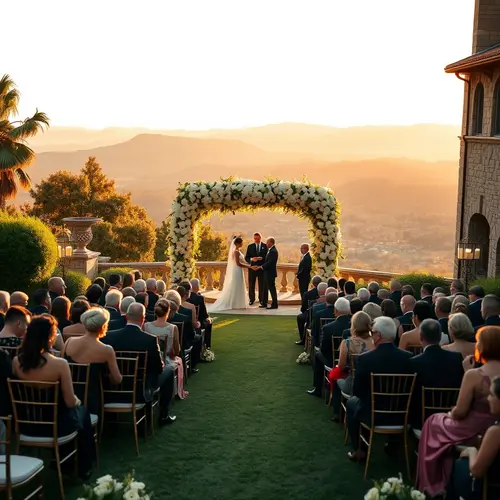
Outdoor ceremonies need music that carries without distorting. A string trio, a solo guitarist, or a small speaker setup can work, but test the volume on site. Avoid songs with lyrics that compete with the vows. Instrumental versions of meaningful songs are a good compromise when you want personal taste without distracting from the ceremony.
Give the officiant a clear cue for the start of the processional. A brief nod or a hand signal is enough, but agree on it in advance so the music and the walk begin together.
Cocktail Hour and Dinner
In a wedding music playlist, cocktail hour is for conversation. Choose mid-tempo songs with familiar melodies and keep the volume below the level where guests have to lean in. Dinner can move slightly slower, with a mix of classics and newer songs that do not demand attention.
If you are using a playlist instead of a DJ, arrange the songs in blocks of twenty to thirty minutes and crossfade gently. Avoid abrupt genre changes that empty the room. A curated dinner playlist should feel like background support, not a concert.
First Dance and Family Dances
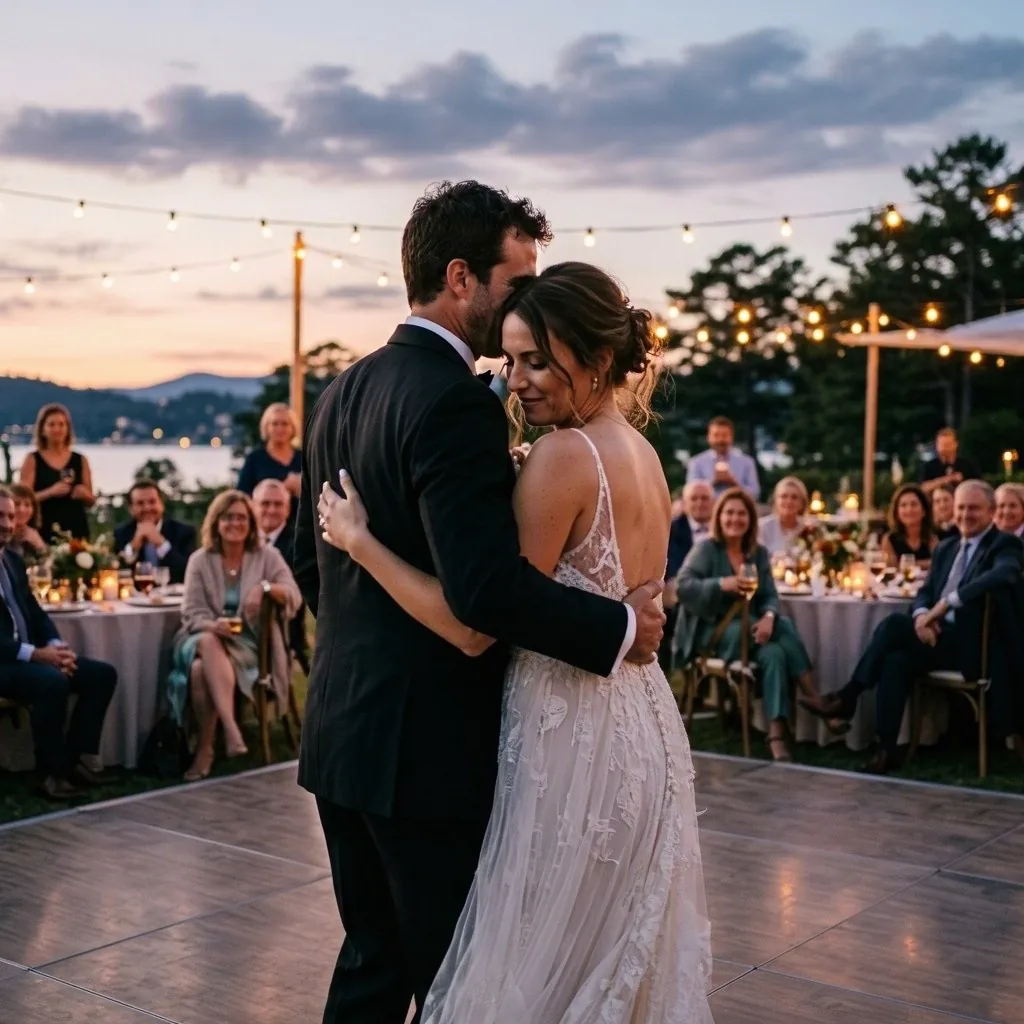
For the wedding music playlist, choose a first dance song you can actually dance to for two to three minutes. Edit a long song to a shorter version if needed. Tell the DJ the exact version and the point where the volume should come up. Practice once in the shoes you will wear, especially if the floor is uneven.
Parent dances work best when they are short and clearly introduced. If a parent is uncomfortable in the spotlight, consider a combined dance or a quiet moment without an announcement. The goal is warmth, not performance.
Building the Dance Floor
A wedding music playlist for the dance floor needs a ramp, not a cliff. Start with songs that invite a few people out, then build energy in stages. Mix eras and tempos so different generations get a turn. Watch the room and adjust: if the floor empties, change the song rather than turning up the volume.
Give the DJ a do-not-play list and a few must-play songs, but leave room for judgment. A good DJ reads the crowd; a rigid playlist cannot. If you are using a friend with a laptop, agree on who controls the music and how requests will be handled.
Requests, Licensing, and Practical Details
For the wedding music playlist, decide whether you want guest requests. A small request card can be fun, but it can also pull the playlist off course. If you allow requests, set a cutoff time and let the DJ filter them. For live music, confirm whether the venue or musician handles licensing; the U.S. Copyright Office explains how music licensing works for performers and venues at copyright.gov.
Check the venue’s sound restrictions and curfew before you plan the last hour. A great playlist cannot fix a noise complaint, and an early cutoff can kill the energy if you have not planned for it.
A Practical Checklist for the Day
For a reliable wedding music playlist, list every moment, choose a song and a backup for each, and confirm the versions. Share the timeline in writing, test the sound system, and prepare a do-not-play list. On the day, let the planner or DJ own the cues so the couple can stay present.
For more detail on ceremony and reception selections, see our ceremony and reception music guide, our notes on how wedding music shapes the day, and the full wedding planning guide.
Frequently Asked Questions
How many songs do you need for a wedding playlist?
Plan roughly four to five hours of music for a full reception, plus ceremony and cocktail hour. Build in extra songs for each block so the DJ can adjust if a moment runs long or short.
Should you use a DJ or a playlist?
A DJ reads the room and handles announcements, which helps with a large or mixed crowd. A curated playlist works for smaller weddings with a clear timeline and someone reliable to manage it.
When should you send the playlist to the DJ?
Send a draft two to three weeks before the wedding and confirm the final version a week out. Include exact versions, must-play songs, and a do-not-play list in writing.
Bellinda Taylor is a senior wedding editor at Best Wedding covering reception design, jewelry, and guest experience. 7+ years, 150+ guides. Method: vendor contracts, trend forecasts, and logistics data. Author of 2,263 wedding guides since 2022.