The 5 Core Wedding Elements You Must Get Right
wedding elements
Table of Contents
When couples ask “what are the parts of a wedding,” they’re usually seeking a framework to build upon. The core wedding elements are the fundamental, non-negotiable components that transform a concept into a celebration. Understanding and mastering these pillars is the difference between a disjointed day and a cohesive experience that honors your partnership.
The Foundational Five: A Planner’s Wedding Elements Blueprint
Forget chasing fleeting trends. Successful weddings are built on five immutable pillars. These are the wedding elements that require your earliest attention and largest portion of your budget.
1. The Ceremony Framework
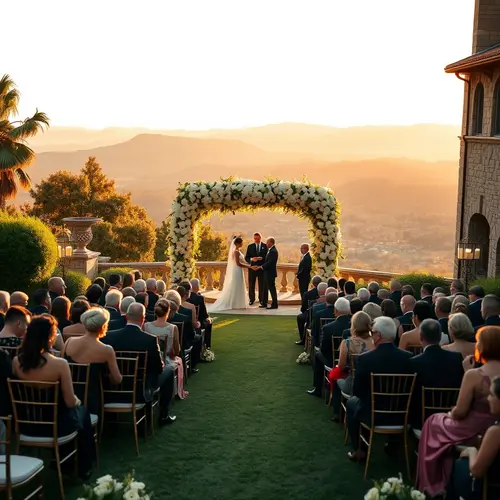
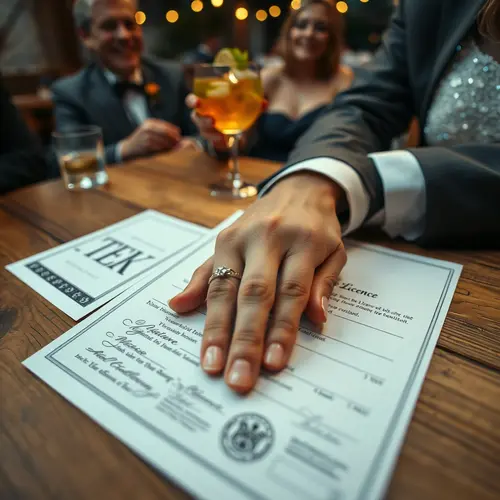
This is the legal and emotional core. The venue sets the tone—be it a house of worship, city hall, or a scenic bluff. An officiant, licensed by your state, must solemnize the union. Your vows, whether personalized or traditional, formalize the commitment. According to guidelines from the Association of Wedding Officiants, a legally binding ceremony must include a declaration of intent and an exchange of consent, witnessed as per local statutes.
The procession, readings, and any cultural or religious rituals fall under this pillar. A common oversight is neglecting the sound system. Guests who can’t hear the vows feel disconnected. Prioritize clear audio over ornate decorations in this segment.
2. The Guest Experience Matrix
Your guests’ journey from invitation to farewell defines the day’s atmosphere. This element encompasses invitation design and timely mailing, clear logistics for travel and parking, and thoughtful hospitality from the moment they arrive.
The reception—seating, food, beverage, and music—is the heart of the guest experience. A persistent myth is that a packed dance floor equates to success. In reality, as reported by industry surveys in publications like Special Events Magazine, guest satisfaction correlates highest with comfort, seamless flow, and genuine interaction, not just a loud party.
- Pre-Ceremony: Welcome signage, programs, seating ushers.
- Transition: Cocktail hour with passed drinks and bites.
- Reception: Assigned seating, timely meal service, accessible bar.
- Closure: Clear departure cues (sparkler send-off, late-night snack).
3. The Aesthetic & Design Language
This is the visual storytelling. It includes your collective attire (wedding party and family), floral arrangements, tablescapes, lighting, and stationery suite. The goal is a coherent design language, not a random collection of pretty things.
For instance, a “rustic elegance” theme might pair raw wood tables with crisp linen, soft greenery, and warm, amber-toned lighting. The key is translating a vague adjective into specific, actionable design wedding elements. A top florist’s wholesale price list isn’t just about flowers; it’s a tool for understanding seasonal availability and color palettes that work in your lighting conditions.
Wedding Elements – Budget Allocation: Where the Money Actually Goes
Understanding cost drivers is practical expertise. The table below breaks down typical budget ranges for primary wedding elements, based on aggregated data from financial planning resources and vendor contracts.
| Wedding Element | Average % of Total Budget | Key Cost Drivers |
|---|---|---|
| Venue & Catering | 40-50% | Guest count, food style, service fees, rental duration |
| Photography/Videography | 10-15% | Coverage hours, number of shooters, album quality |
| Attire & Beauty | 8-12% | Designer, alterations, hair/makeup trials |
| Florals & Decor | 10-15% | Seasonality, installation labor, rental items |
| Entertainment | 8-10% | Band vs. DJ, MC quality, sound/light packages |
4. The Documentation Strategy
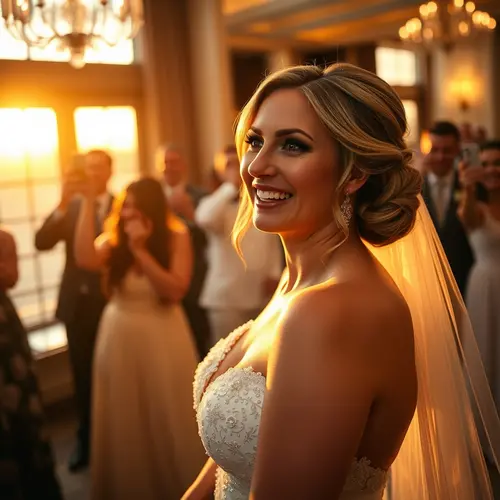
Photography and videography are the only wedding elements that appreciate in value over time. This isn’t just about hiring a professional. It’s about strategic documentation. A seasoned photographer plans for the light at your ceremony time, understands family dynamics to expedite portraits, and captures candid moments that reflect genuine emotion, not just posed smiles.
The contrarian view? An album or edited film is non-negotiable. Digital files corrupt, cloud services change. A tangible, archivally-printed album is the single most likely heirloom from your entire investment.
5. The Logistics Engine
This is the invisible infrastructure: the timeline, vendor contracts, transportation, and weather contingencies. It’s the difference between a smooth day and chaotic stress. A detailed minute-by-minute timeline distributed to all vendors and key wedding party members is more valuable than any Pinterest board.
Expert opinion holds that the single most overlooked logistical element is vendor meals. Feeding your photographer, videographer, and band during dinner isn’t just courtesy; it’s often a contractual requirement. A hungry vendor is an inefficient one.
Synthesizing the Wedding Elements: A Hypothetical Scenario
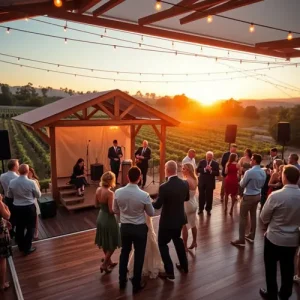
Imagine a couple planning an outdoor garden wedding. They’ve focused on aesthetics (beautiful florals, a string quartet) but neglected logistics (one restroom trailer for 150 guests, no rain plan) and guest experience (long gap between ceremony and reception with no refreshments). The beautiful wedding elements are undermined by poor flow.
The solution isn’t more decoration. It’s reallocating budget from secondary decor to rent a second restroom, designing a covered lounge area for the cocktail hour, and creating a realistic wet-weather timeline. This demonstrates the experienced, holistic view—all pillars must be balanced.
Mastering these five core wedding elements provides a resilient framework. It allows you to make confident decisions, allocate resources wisely, and build a day that feels intentional and authentic, regardless of style or scale. Focus on strengthening each pillar, and the overall structure will stand solid.

Bellinda Taylor is a senior wedding editor at Best Wedding covering reception design, jewelry, and guest experience. 7+ years, 150+ guides. Method: vendor contracts, trend forecasts, and logistics data. Author of 2,263 wedding guides since 2022.