Ultimate Guide to Choosing Your Diamond Wedding Rings
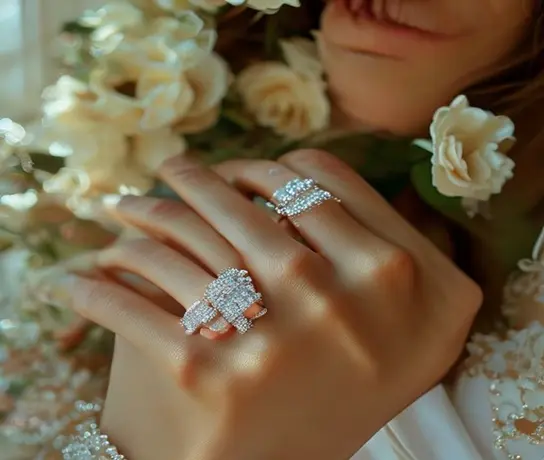
diamond wedding rings
Table of Contents
Selecting diamond wedding rings marks a pivotal moment in any couple’s journey, symbolizing eternal commitment and enduring love. These rings, distinct from engagement rings, are worn daily as a constant reminder of matrimonial vows. They typically feature a continuous line of diamonds or a design that complements an existing engagement ring, crafted for comfort and durability over a lifetime.
The allure of diamonds in wedding bands is timeless. Their unparalleled hardness, rated 10 on the Mohs scale, makes them ideal for daily wear. This inherent durability, coupled with their brilliant sparkle, has cemented their place as the preferred gemstone for celebrating marital unity across cultures for centuries.
Understanding the Core Elements of Diamond Wedding Rings
Before making a selection, understanding the foundational aspects of diamond wedding rings is essential. This knowledge empowers couples to make informed decisions that align with their aesthetic preferences and practical needs.
Metal Choices for Lasting Diamond Wedding Rings
The metal chosen for a diamond wedding band significantly impacts its appearance, durability, and hypoallergenic properties. Platinum, white gold, yellow gold, and rose gold are the most common selections, each offering unique characteristics.
- Platinum: A naturally white, dense, and hypoallergenic metal. It’s highly durable and develops a unique patina over time, requiring less maintenance for its color.
- White Gold: An alloy of gold with white metals, typically rhodium-plated for a bright, silvery finish. It offers platinum’s look at a lower price point but may require re-plating periodically.
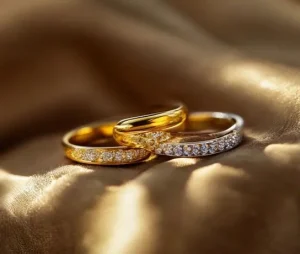
- Yellow Gold: The classic choice, offering warmth and traditional elegance. Often available in 14k or 18k, indicating the purity of gold.
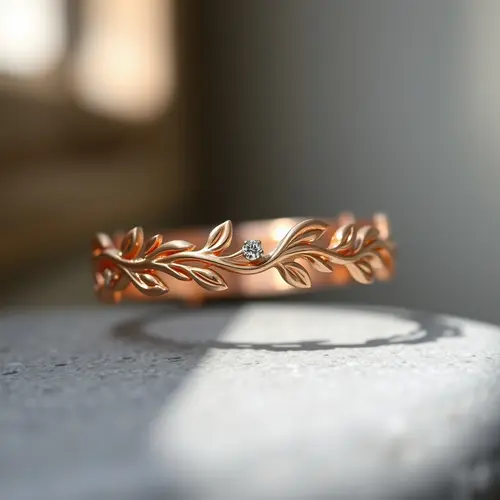
- Rose Gold: An increasingly popular option, known for its romantic, reddish hue derived from copper alloy. It’s durable and provides a distinctive look.
Consideration of the engagement ring’s metal is key for a cohesive look and to prevent wear differences between metals of varying hardness.
Popular Diamond Settings and Styles
The setting dictates how diamonds are secured within the band and dramatically influences the ring’s overall aesthetic and feel. Common settings for diamond wedding rings include:
| Setting Type | Description | Pros | Cons |
|---|---|---|---|
| Eternity | Diamonds encircle the entire band. | Maximum sparkle, continuous design. | Resizing can be difficult, higher cost. |
| Half-Eternity | Diamonds cover the top half or two-thirds. | Comfortable, easier to resize, less expensive. | Less diamond coverage. |
| Pave | Small diamonds set closely together with tiny beads of metal holding them. | Enhanced sparkle, smooth surface. | Can snag on fabric if not well-executed. |
| Channel | Diamonds secured within a channel of metal, flush with the band. | Very secure, smooth feel, modern look. | Diamonds may appear slightly less prominent. |
| Shared Prong | Diamonds held by prongs that are shared between adjacent stones. | Maximizes diamond visibility and light entry. | Prongs can snag if not carefully worn. |
Each setting offers a distinct balance of security, brilliance, and comfort. The choice often reflects personal style and lifestyle.
Ethical Sourcing and Modern Choices
The origin of diamonds has become an increasingly important consideration. The Kimberley Process Certification Scheme, established by a United Nations mandate, aims to prevent conflict diamonds from entering the mainstream market. Reputable jewelers adhere strictly to these guidelines, ensuring transparency in their supply chain.
Beyond natural diamonds, lab-grown diamonds offer an alternative that is physically and chemically identical to mined diamonds, often at a more accessible price point. The decision between natural and lab-grown often comes down to personal values and budget considerations, both offering brilliant and durable options for diamond wedding rings.
Expert Opinion: Beyond the Carat Weight
A common misconception centers on the absolute necessity of high carat weight for impact. As a seasoned expert, I emphasize that the quality of the cut is paramount, especially for smaller diamonds often used in wedding bands. A well-cut diamond, even of modest size, will exhibit superior sparkle and fire compared to a larger, poorly cut stone. Focus on a “Very Good” or “Excellent” cut grade from a reputable gemological laboratory like GIA or AGS to ensure maximum brilliance for your diamond wedding rings, regardless of total carat weight. This often delivers greater visual impact and value than simply pursuing the largest possible stones.
Ultimately, selecting diamond wedding rings is a deeply personal journey. By understanding the core elements—metal types, diamond settings, ethical considerations, and focusing on quality cut—couples can choose bands that beautifully symbolize their enduring commitment and bring joy for a lifetime.

Bellinda Taylor is a senior wedding editor at Best Wedding covering reception design, jewelry, and guest experience. 7+ years, 150+ guides. Method: vendor contracts, trend forecasts, and logistics data.